
If you live in the Florida Keys, your HVAC system doesn’t just move air — it moves moisture.
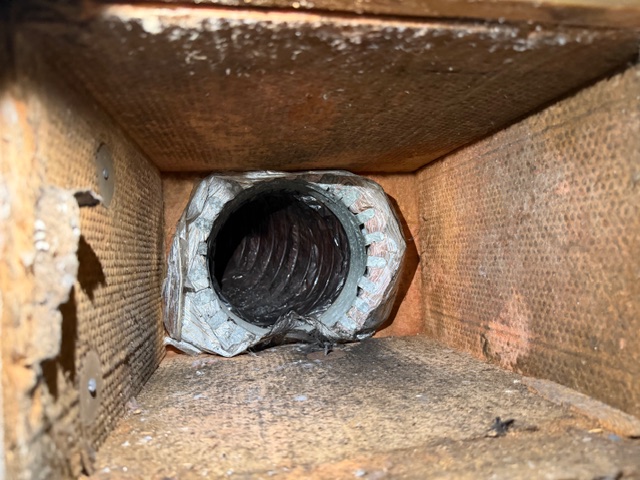
And in a high-humidity, salt-air environment like Key Largo, Tavernier, Islamorada, and Marathon, that moisture can create problems inside your ductwork that most homeowners never see.
Dirty ducts aren’t just about dust.
In coastal homes, they can become a source of odor, airflow restriction, and even mold growth.
Let’s talk about what’s really happening — and when duct cleaning actually helps.
Humidity is constant in the Keys.
When warm, moist air moves through ductwork, especially in unconditioned attics, condensation can form inside the system.
Combine that with:
And you create an environment where microbial growth can develop.
Not every dusty duct has mold — but in coastal climates, risk is higher than inland properties.
You may benefit from duct inspection or cleaning if you notice:
If your home smells damp after heavy rain or long periods of high humidity, your duct system may be part of the issue.
There’s a lot of misinformation around duct cleaning.
Here’s what’s true:
In many Florida Keys homes, humidity control is the real solution — not just duct cleaning.
Duct cleaning can be beneficial when:
However, if humidity remains high, contamination can return.
That’s why addressing moisture control is critical.
Your ductwork is part of a larger system.
If humidity stays above 55–60%, conditions remain favorable for mold growth.
Long-term solutions may include:
Clean ducts without moisture control are only a temporary fix.
Waterfront and canal-front properties face additional challenges.
Salt exposure can:
Routine inspection is especially important in homes near open water.
At Island Air Control, we assess:
The goal isn’t to sell duct cleaning unnecessarily.
It’s to determine whether cleaning, sealing, humidity control — or a combination — is the right approach.
In high-humidity coastal environments, indoor air quality isn’t just about filtration.
It’s about managing moisture properly.
If your home smells musty, feels damp, or you’re concerned about duct contamination, a professional evaluation can help determine the safest and most effective solution.
Whether you're in Key Largo, Islamorada, Tavernier, Duck Key, or Marathon, maintaining clean, sealed ductwork is part of protecting your comfort — and your property.

Trust Island Air Control to keep your system running steady when it counts.
