

If you live in the Florida Keys, your air conditioning system is up against something most mainland units never deal with: salt. The ocean air that makes island life beautiful also carries microscopic salt particles that land on your outdoor AC unit every single day — and once they settle, they start doing damage.
At Island Air Control, we’ve been servicing AC systems in Islamorada, Key Largo, Tavernier, and the Upper Keys for over 14 years. We see the effects of salt air corrosion on a daily basis, and it’s one of the most common reasons systems in the Keys fail earlier than they should. Here’s what’s actually happening to your unit, what to watch for, and what you can do about it.
Your outdoor condenser unit takes the worst of it. It sits outside 24/7, fully exposed to humid, salt-laden air coming off the ocean. There’s no off-season — in the Keys, that exposure is constant and year-round.
Salt particles cling to the condenser coils, aluminum fins, and metal housing. Combined with the humidity we live with every day, they form a corrosive layer that eats away at metal surfaces over time. Here’s what that looks like in practice:
AC units on the mainland deal with heat and humidity. AC units in the Keys deal with heat, humidity, and constant salt exposure. That combination accelerates corrosion dramatically.
We’ve seen condenser coils in the Upper Keys show significant corrosion within 18 months of installation — units that would have lasted years longer if they were sitting in a driveway in Homestead or Miami. Without regular maintenance and the right equipment choices, it’s common for coastal AC systems to lose several years of their expected lifespan compared to identical units installed just 30 miles inland.
That doesn’t mean your system is doomed. It means you need a maintenance approach and equipment strategy that accounts for where you actually live.
Most homeowners don’t notice salt corrosion until performance drops noticeably. By then, the damage has usually been building for months. Here are the warning signs to look for:
If you’re seeing any of these, it’s worth having a technician take a look before the damage gets worse. A diagnostic visit now is far less expensive than a compressor replacement later.
Living in the Keys doesn’t mean accepting premature system failure. It means being proactive. Here’s how we approach salt air protection for our customers:
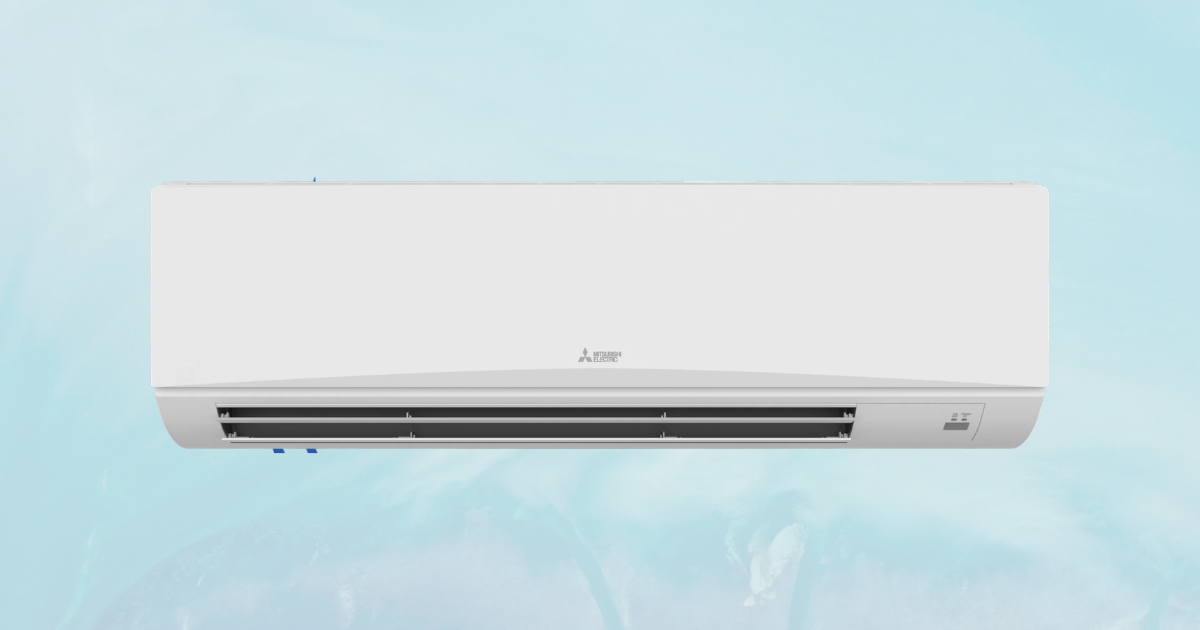
Equipment built for coastal conditions. As a Mitsubishi Electric Elite Diamond Contractor — the highest tier in Mitsubishi’s dealer program — we install systems specifically engineered for harsh environments. Mitsubishi’s outdoor units feature Blue Fin anti-corrosion coating on the heat exchanger, which protects against salt, sulfur, and airborne contaminants. Their newer models also include Seacoast Protection rated for 2,000 hours under ASTM B117 corrosion testing, with phosphate and acrylic-enamel coated panels and epoxy-resin coated internal assemblies. These aren’t add-ons — they’re built into the equipment because manufacturers know what coastal air does to a system.
Proper installation practices. Where and how the outdoor unit is installed matters. We consider prevailing wind direction, elevation off the ground, and proximity to the waterline when positioning equipment. A condenser placed on the leeward side of a building with adequate clearance and airflow will hold up better than one installed directly in the path of ocean wind.
Regular coil rinsing. One of the simplest and most effective things you can do between service visits is rinse your outdoor unit with a regular garden hose once a month. Not a pressure washer — high pressure can bend the delicate fins and make things worse. A gentle spray from top to bottom washes away salt deposits before they have a chance to harden and corrode.
Maintenance built for island conditions. Our maintenance visits include coil cleaning, electrical connection inspection, refrigerant level checks, and a full assessment of corrosion on all exposed components. We’re specifically looking for the early signs of salt damage that a general maintenance visit might miss — because we know what to look for in this environment.
Not every corroded unit needs to be replaced, but there’s a point where continuing to repair a salt-damaged system costs more than starting fresh with equipment designed for the environment.
Repair typically makes sense when:
Replacement makes more sense when:
If you’re unsure where your system stands, we can give you an honest assessment. We’ll tell you if a repair will get you a few more good years or if you’re better off investing in a system that’s built to handle what the Keys throw at it.
Read more: AC Repair vs. AC Replacement in the Florida Keys: How to Know When It’s Time
The best time to deal with salt air damage is before peak season, not during a breakdown in July. A quick inspection now can catch corrosion early, prevent a midsummer failure, and save you money on the repair.
If it’s been more than six months since your last maintenance visit — or if you’ve never had a technician specifically check for salt damage — schedule a salt-air inspection with Island Air Control. We’ll assess your system, clean the coils, check your electrical connections, and let you know exactly where things stand.
Call us at (305) 852-4042 or book a service visit online to get on the schedule.
Trust Island Air Control to keep your system running steady when it counts.
